Thursday, 16 January 2020

Letter to the Editor: Cease Feeding of Wild Birds and Other Wildlife


LETTER TO THE EDITOR:
CEASE FEEDING WILD BIRDS AND ANIMALS


I am surprised by the advice offered by the Taiping Zoo and Night Safari director Dr. Kevin Lazarus to tourists not to overfeed wild Brahminy Kites (‘Don’t overfeed brahminy kites’, The Star, 15 Jan 2020). I would have expected an expert like him to strongly object to the practice of feeding wild birds and other wild animals.

The advice given not to ‘overfeed’ the Brahminy Kites is also difficult to measure and act upon, because tourists and tour boat operators are not veterinarians or wildlife ecologists and are not able to estimate how much food to give and what would constitute overfeeding. They would not know if other tour boat operators or tourists who had come earlier in the day have already fed the birds. It is difficult, if not impossible, to draw up guidelines on appropriate and sufficient feeding of wild birds and expect tourists and tour boat operators to adhere to these guidelines.

Further, tour boat operators in Pulau Langkawi, Kuala Sepetang, and similar areas provide the Brahminy Kites and eagles with the cheapest food possible, namely, chicken skin, entrails, and gizzards, which are sourced from broiler farms that use antibiotics and growth promoters, and this will have an adverse impact on the wild birds’ health and immune systems in the long run. As the good doctor himself acknowledged, feeding the wild birds with chicken skin and fat will result in calcium deficiency, obesity, and ultimately, population decline as the wild birds’ eggs may break during incubation due to the aforementioned calcium deficiency.

The well-being of wild birds and other wildlife should be given priority over the trivial whims of tourists who wish to be entertained. Wildlife experts and the authorities should be very firm about not permitting the feeding of any kind of wildlife. The practice of feeding wild animals cause more harm than good and should be prohibited. PERHILITAN and the Forestry Department should apprehend and fine offenders who ignore signs not to feed wildlife.

Feeding wild animals alters their natural behavior and makes them less afraid of humans. This could expose them to greater risk of being trapped, poached, or poisoned. Almost every human-wildlife conflict incident that we read of starts with the narrative of well-intentioned people feeding wild monkeys, boars, bears, sharks, or other animals, and ends with a dead or injured human or animal. Fed animals also end up killed when they enter human territory for more food.

Diseases and pathogens also spread more easily among wild birds and animals when they congregate to feed. Animals that are usually solitary or who socialize only with their own species end up having increased inter-species contact when they congregate at feeding sites, and may contract salmonella and other pathogens when they come in contact with other animals’ saliva and feces. This is what happened to the White Ibis population in Georgia (USA), and we should make every effort possible to ensure this does not happen to our own wild bird and animal populations.

I am aware that tour boat operators rely on activities such as the feeding of Brahminy Kites and White-Bellied Sea Eagles to give their business a competitive edge and provide an interactive experience for their clients. It is only natural that tourists would want to feel as if they have had close contact with a wild species, or have ‘helped’ a local species by providing food. I propose setting up hatcheries to increase native fish stocks, and then getting tourists to pay to release the fish fry or fingerlings into the sea. This will not only replenish native fish populations but also provide job opportunities for local communities. Tourists like to feel that they are ‘giving back’ to the local community and wildlife, and releasing fish fry may be a feasible alternative to feeding wild birds with inappropriate food.


WONG EE LYNN
PETALING JAYA, SELANGOR


Friday, 3 January 2020

Sunday Byline: Season of Giving - Tis the season to redefine true charity and volunteerism

I was invited to write a byline for the New Straits Times on the topic of volunteering and donating to charity. This byline was published on Sunday, 22nd December 2019. You can find a link to it here: https://www.nst.com.my/lifestyle/sunday-vibes/2019/12/549916/tis-season-redefine-true-charity-and-volunteerism 


SEASON OF GIVING 


True charity and volunteerism begin with the desire for change, writes Wong Ee Lynn 

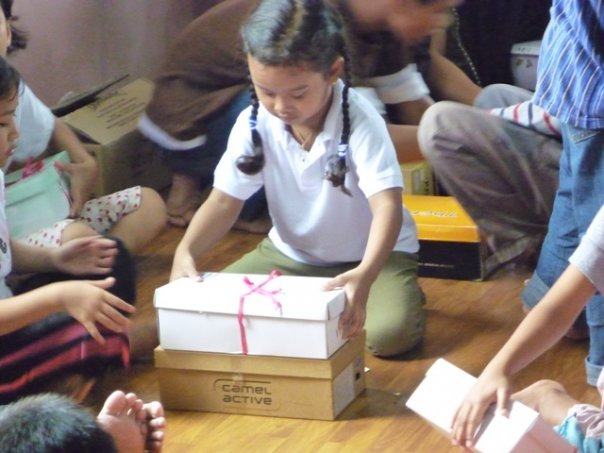
‘Tis the season to fill the needs of others, as well as to simplify and declutter — mostly our hearts, but also our homes. But before you throw the junk lying around your house into a big bag to donate locally or overseas, pause and think for a moment about what you’re giving and why. 

Every holiday season, requests pour in from members of the public who usually want to do one of three things: 

1. They have spring-cleaned their homes and want to 'donate' their cast-off clothing and other items to charities; 
2. They want to do a one-off festive meal, party, or programme with vulnerable or disadvantaged communities, usually with children living in children’s homes or shelters; or 
3. They want to do a one-off 'volunteering' session or visit, often with children in tow, to teach their children to be 'grateful'. 

Donating to charity and volunteering are meant to be life-enhancing experiences which give people the chance to improve the world in their own small way. You’re dedicating your time and resources to people that may have less than you, helping to build communities and strengthen bonds between people. 

But should charity projects and volunteering sessions just be limited to donating your discards or turning up, doing the job, taking heart-warming photographs and going home? Are you doing more harm, in the pursuit of doing ‘good’? 

DONATING YOUR THINGS 

While you may feel ‘generous’ for giving away your extras, donating your discards may not be a charitable act at all. You’d be surprised to see the amount of scribbled-on and torn books, tattered and stained clothing, broken toys and ornaments, and broken appliances and gadgets received simply because people feel that poor and vulnerable communities "have nothing" and should therefore be grateful to get anything at all. 

This is unfair to volunteers, who then have to waste their time, energy and fuel sorting through rubbish and transporting unsuitable items to the rubbish or recycling bin. We need to remind ourselves that the poor and minorities are not our landfill, and volunteers are not our rubbish pickup or waste sorting service. 

We need to think not only about what we give and how we give it, but also why we give it. Just because it makes us feel better (and cleans out our houses at the same time), doesn’t mean it is what is needed or wanted by vulnerable communities. 

Perhaps we should look a little deeper into our hearts and wallets when we claim, “I don’t have money to give to the poor, but I have a lot of stuff to give away”. Maybe this means examining how we spend and save, so we can prioritise giving regularly to worthy causes, and donating money and necessities instead of just our discards. 

What you should do 

Please go through the items you are giving away and ensure that they are all clean, usable, and functioning. Get items repaired before donating them. Redirect donations to the relevant charities: Wearable clothes can be sorted according to category (men's, women's, and children's) for relevant organisations, and faded, tattered, and stained clothes should go into the Kloth Cares fabric recycling bins (www.kloth.com.my). 

If you are getting your children to help with the collection and donation process, ask them: "Imagine you are giving this to a friend. Would your friend be happy to receive this? Would YOU be happy to receive this?' Use this as a teachable moment to teach children what generosity and kindness really means. 


FESTIVE MEALS AND PARTIES 

When the festive seasons roll in, welfare homes and organisations receive many requests from well-wishers to conduct ‘parties’ and ‘visits’ for the residents or beneficiaries so that they could experience a little of the festive ‘joy’ that they purportedly lack. 

Junk food pour in, as do toys and gifts. In the age of social media, many corporations and groups have opted to hold their celebrations in children’s homes, hospitals, or with homeless or other vulnerable communities. 

While the intention to bring some joy to the needy is a noble one, one wonders whether these parties are done for the benefit of the donors or the recipients. It can appear to onlookers and beneficiaries that the donors are doing it to make themselves look good, and because throwing holiday parties for the needy is the “in” thing to do. Some beneficiaries may not share your excitement for a particular holiday, and it can even make the difference between the haves and the have-nots even more glaring and stark. 

It is not only the adult recipients who feel embarrassed at being treated like ‘charity cases’. I remember volunteering at a children’s shelter years ago when the children told me we had to end lessons half an hour early so they could get ready for some visitors who had come to celebrate their child’s birthday at the shelter. While the younger children were understandably excited about this break in their daily routine, one of the older boys’ voice was dripping with sarcasm and resentment when he told me: “Yes, they are coming to show us how rich people party. To show us we have nothing, no mother and father.” 

There is further the risk that these events and one-off ‘volunteering’ sessions provide strangers with access to vulnerable children who may be recovering from abuse and trauma. I remember an incident in which a child started crying during a colouring session with volunteers. The other children started shouting at the crying toddler to be quiet or the ‘big brothers and sisters’ will not visit again, and said it was probably the reason why the previous batch of ‘big brothers and sisters’ never returned for a visit. The reality is that the volunteers probably did not return because it was a one-off CSR project, but the children assumed that it was because they were ‘naughty’ and they were left blaming themselves and each other. What you should do 

When planning festive meals, parties, and programmes, ask the organisation first if that is what they really want. Find out an organisation's needs, which usually extends to the rest of the year. An organisation might inform you that instead of a fast food meal or plastic toys for the children in their care, what they really need is a maths tutor. 

Respect and understand the wishes of the organisations and beneficiaries, and take time to ask and listen. Instead of having 40 volunteers play games with children for just one day a year, you could arrange for volunteers to take turns tutoring children and helping them with homework for 40 weeks of the year. 

You also need to check with the organisations first if the proposed programmes are acceptable. A friend once informed me that they failed to check with the administrators of a school for refugee children if the games they would be playing are appropriate for the children. The party organisers had ‘Pin The Tail On The Donkey’ lined up as one of the games, but the children were reluctant to play, and the administrators of the school had to quickly explain that blindfolding can bring back flashbacks of being arbitrarily blindfolded and taken away by the military. Faux pas such as this one could be avoided by checking with the organisation or administrators in advance. 

There may be privacy and safety concerns which means that the beneficiaries are not okay with being photographed. And some of the children may have experienced abuse and have trust and attachment issues, so having people visit them once, play with them, and never return will feel too much like abandonment. 

Come and volunteer with underprivileged communities only if you have something meaningful or important to contribute, if you have special skills to share (e.g. you can help repair and repaint their home), or if you are able to commit to regular volunteering and service. Seasonal parties and special meals for the underprivileged are not unequivocally a bad thing. It often provides a welcome break from routine and plain meals. But you need to also find out the actual needs of organisations and their beneficiaries, and find ways to keep the momentum going for the rest of the year to meet these needs the best you can. 

ATTITUDE OF GRATITUDE? 

Stop asking volunteers if you and your children can come "visit" the individuals who will be receiving your donations. Vulnerable communities are not your petting zoo. I’ve witnessed beneficiaries being forced to shake hands, receive hugs awkwardly, and pose for photos. It makes them feel even more powerless and self-conscious. Nobody likes to feel like they are charity cases or are there for other people to stare at. 

There are also parents who want their children to see "poor people" firsthand so they can "be grateful for what they have" and see what might happen to them if they fail to work hard, study hard, or listen to one's parents. This is unacceptable because you are teaching your children to make assumptions about people who are already struggling. Not all who are poor are lazy or have done bad things. Many were disenfranchised and disadvantaged from the beginning and don't have the same opportunities you did. Truth be told, many people who are lazy, selfish, unscrupulous and unethical end up in positions of wealth and power anyway. 

Visiting welfare homes and homeless communities to teach oneself or one’s children ‘gratitude’ is still essentially a selfish act — the focus is still on the giver, not on the recipients. Gratitude does not cultivate empathy. Gratitude makes the giver feel morally and materially superior, it does not make the recipient feel understood, heard, and seen. 


What you should do 

People who are grateful that their lives are not as hard as that of the recipients are rarely the same people who feel motivated to fight inequality and injustice. Instead of saying to yourself: “I am grateful I at least have a roof over my head and good food to eat”, ask yourself: “What are the systems that created this injustice and inequality in the first place? What am I doing to contribute to these systems? How can I help address these injustices? Which organisations and individuals are working on creating long-term solutions, and how can I help them?” 

It’s time we stop feeling content with merely handing out a largesse of toys and food during the festive season, and instead aim to use our talents and resources to make the biggest possible positive difference to society. 

Most of the volunteers and donors you see out there didn’t start off as full-time humanitarians or millionaire benefactors. They started small, and acquired more skills and experience and increased their capacity to give and to volunteer along the way. We should all aim to do the same - start by choosing the causes we are passionate about, and devote a certain amount of time and resources to it consistently. Doing good shouldn’t be just for a season. 

It’s time we turn the ‘season of giving’ into a lifelong journey of becoming a truly compassionate, just, and socially responsible nation. 


Wong Ee Lynn has over 20 years of experience volunteering for various causes, from environmental and animal protection to working with urban disadvantaged children and homeless communities.

Wednesday, 11 December 2019

Letter to the Editor: Mosquito Fogging Is Ineffective, Even Harmful

LETTER TO THE EDITOR: MOSQUITO FOGGING IS INEFFECTIVE, EVEN HARMFUL 


Following close on the heels of the rainy season are the mosquito fogging operations carried out by contractors engaged by the Ministry of Health and State Health Departments. We put up with these malodorous operations even though we can already see for ourselves that fogging is ineffective and provides only a false sense of security. 

Fogging continues to be a popular way of mosquito control because it is visible and creates the impression that the relevant authorities are doing something to combat mosquito-borne diseases, but studies have shown that fogging is effective only when the chemicals come in direct contact with the mosquitoes. I have witnessed for myself how the mosquitoes fly up to my apartment window screens when fogging is carried out at ground level, and cunningly fly back down when the coast is clear. There are concerns that frequent fogging may even increase mosquitoes’ resistance to insecticides, giving rise to strains of super mosquitoes that are hard to destroy. 

 Fogging does not reduce mosquito populations because it does not kill mosquito larvae or pupae. If fogging were an effective mosquito control method, we would see a decrease and not increase in dengue cases in Malaysia. 

Fogging is not only ineffective in controlling mosquito populations, but potentially harmful to human health. The chemical pesticides used in fogging and spraying are neurotoxins that can adversely affect the nervous systems of humans, companion animals, and birds, among others. Fogging also kills beneficial insects such as ladybirds, and pollinators such as butterflies and bees, and frequent fogging operations can harm biodiversity and cause ecological imbalance. 

There are inexpensive and pesticide-free methods of mosquito control advocated by biologists and researchers, and these often involve getting premise owners and cleaning contractors to identify and eliminate mosquito breeding sites, including less-expected breeding sites such as the bracts of flowers and plants, septic tanks, gutters, and damp bathroom floors. Increasing biodiversity in parks and gardens by bringing in native fish, frogs, dragonflies, and bats that feed on mosquitoes and their larvae can help to reduce mosquito populations and restore degraded ecosystems. 

The release of genetically-modified mosquitoes to either suppress pathogen infection or mosquito reproduction also seems to bear promising results, although it may be a few years before we can conclusively attest to their safety and effectiveness, and assess their impact on ecosystems. In the meantime, the best and safest method of mosquito control is still the elimination of breeding opportunities. 

I conduct community clean-ups and often find municipal rubbish bins, recycling bins, and construction waste bins filled with stagnant water and mosquito larvae. There should be a requirement for all such bins to have drainage holes at the bottom to allow water to flow out. Local councils should ensure that abandoned vehicles are removed, and construction sites and illegal dumpsites are cleared regularly as these spaces often trap water and create places for mosquitoes to breed. 

The elephant in the room that few want to address is the role of single-use plastics and other disposable packaging in creating breeding grounds for mosquitoes, besides being a blight on the environment. While our government continues to hem and haw over whether or not to ban single-use plastics, mosquitoes continue to breed in discarded cups, bottles, plastic bags and food takeout containers. A ban on single-use plastics combined with a bottle and can deposit system would go a long way towards reducing litter, encouraging recycling, and keeping these mosquito nurseries out of the environment and landfills, but there seems to be no political will to implement it in Malaysia. 

The other elephant in the room is the link between deforestation and the rise in mosquito-borne diseases. The Journal of Emerging Infectious Diseases has documented the steep increase in malaria cases in areas in East Malaysia where forested land has been cleared for agriculture. Larvae-sustaining puddles are formed where there are no longer tree roots to control soil erosion and water runoff, and mosquitoes and other pathogens proliferate in forest edges where the boundaries between human habitation and forested areas become blurred and primates and other disease carriers wander into human habitation. To protect citizens from mosquito-borne diseases, the government needs to look at all the different factors contributing to the rise in mosquito-borne diseases, and implement agricultural policies that may include banning the clear-cutting of forests, practicing shade and mixed cultivation, and increasing biological pest control measures such as bringing back native fishes, frogs, bats, and birds to degraded areas. 

We need a responsive and responsible government that focuses on disease prevention and implements measures to identify and eliminate mosquito breeding sites and opportunities. Fogging is, at best, a piecemeal attempt at appeasing local communities after a dengue outbreak. These disruptive fogging sessions cannot be allowed to continue at the expense of our comfort, health, and safety. Citizens already know that mosquito fogging operations harm nothing but taxpayers’ wallets. It’s time we stopped pretending they are effective and redirect our resources to actual solutions. 

WONG EE LYNN 
PETALING JAYA, SELANGOR 

(Photo Credits: Sze Huei Yek)

Monday, 11 November 2019

Letter to the Editor:Environmental Education Not A Substitute For Real Action

LETTER TO THE EDITOR 
ENVIRONMENTAL EDUCATION NOT A SUBSTITUTE FOR REAL ACTION 


Kedah Menteri Besar Datuk Seri Mukhriz Tun Mahathir’s recent announcement that Kedah will soon establish 36 eco-schools is one that would be received with good cheer by most Malaysians, as this move appears to affirm Malaysia’s position as a country that is pro-science, pro-environment, and serious about climate change. 

As we applaud this initiative, we must remember that environmental education can never be a substitute for real action. Those with the economic and political leverage to make a difference and to improve the state of Malaysia’s natural environment are not taking the necessary climate change preparation and mitigation measures, but are instead merely investing more in awareness and education programmes. 

The trouble with the lopsided focus on environmental education as a climate change mitigation strategy is that we are assuming we have 20 years to sit around and wait for the younger generation to graduate and solve environmental problems. We do not have the luxury of time. There is growing consensus among climate scientists that we have no more than 18 months to ensure that global emissions of carbon dioxide peak by 2020 to keep global temperatures within the safe limit. The Intergovernmental Panel on Climate Change reported that to keep the rise in global temperatures below 1.5 degrees Celsius this century, carbon emissions will have to be cut by 45% by 2030. Since countries usually develop strategies in 5 to 10 year blocks, this would mean that the next 12 to 18 months are critical for the international community to develop firm and binding strategies to cut carbon emissions. It is unfair and irresponsible to expect the younger generation to clean up the environmental mess created by adults and governments. Creating an environmental curriculum and putting out more public service announcements while climate change is threatening food security, political and economic stability, and human health and safety is nothing short of an abdication of governmental environmental responsibility. 

Malaysia has been stuck in the ‘awareness’ and ‘education’ phase for over two decades. As someone who has been active in the environmental movement for that length of time, I regret to report that most governmental environmental education initiatives fall into the category of Arts and Crafts activities such as poster contests, stage plays, recycling competitions, and cute public service announcements, and do not constitute actual solutions. 

Instead of legislating and banning single-use plastics and getting manufacturers to commit to waste reduction targets, we are teaching children to stuff plastic wrappers into PET bottles, and to build structures nobody wants or needs with these ‘Eco Bricks’. We are still playing into the hands of the powerful plastics industry lobby by refusing to stem the tide of single-use plastics, and instead pretending that the problem is littering and lack of recycling. 

We are teaching children about the benefits of clean renewable energy, but not providing them with options to purchase electricity from clean energy providers. TNB’s monopoly in the Malaysian electricity market ensures that only those wealthy enough to own landed property and install solar photovoltaic panels can afford to switch to renewable energy. While other countries such as the Republic of Ireland and Norway are divesting from fossil fuels, and university student-led fossil fuel divestment campaigns resulted in universities and companies making commitments to replace fossil fuels with clean renewable energy, 96-97% of Malaysia’s energy consumption still comes from fossil fuels, and the fossil fuel industry still forms a powerful lobby, so powerful in fact that they are allowed to claim in educational materials and science discovery centres that petroleum has not only promoted economic growth but also environmental safety and food security. The Economist Intelligence Unit reported in September that Malaysia aims to increase its total electricity supply output from renewable sources to 20% by 2025, but this goal is too small and unambitious compared to that of Singapore, the Philippines, and other countries in the region. There are also concerns that judging by current consumption trends, it would simply mean that Malaysians will consume more of everything – more fossil fuels, more renewable energy, more private vehicles, more driving, and more air travel. 

We teach children about the benefits of taking public transport and carpooling, but we fail to provide an affordable, reliable, and punctual public transport service to those outside of areas served by RapidKL. We claim to care about the natural world and wildlife, yet we continue to approve and construct more highway projects through environmentally-sensitive areas, and have commenced the production of a third national car that nobody had really asked for, thus effectively encouraging more private vehicle ownership and more driving. 

We teach children to take shorter showers and to turn off the tap when brushing their teeth, but we don’t tell them that non-revenue water loss in Malaysia is calculated to be at the rate of 5,929 million litres per day of treated water, through no fault of children or ordinary consumers. We tell children that water shortage and drought is the result of climate change, but we don’t tell them that in Malaysia this is usually due to the logging and destruction of tropical rainforests, which serve as vital water catchment areas. We don’t tell them that the government has repeatedly failed to gazette and protect watersheds, or has been slow to replace leaking and unsafe water supply pipes. 

We teach children to plant vegetables in their school gardens, but we don’t take significant and decisive action against farmers who use excessive amounts of pesticides and herbicides, thus threatening food safety and human health. The rivers in Cameron Highlands are severely polluted due to agricultural activities, and three of the rivers are declared biologically dead, and no number of mini gardens in school yards can restore the ecosystem of these rivers or produce enough safe food to meet the nutritional needs of Malaysians. 

We teach children to plant trees in parks and school compounds, despite knowing that a tree will only begin to be effective in absorbing carbon in its tenth year, despite knowing that the carbon sequestered through tree replanting is almost negligible. At the same time, we continue to clear and log forests for development, infrastructure projects, and plantations. 

We teach children to ‘love our forests’, but when schoolchildren put up a play linking deforestation to oil palm cultivation, they faced harassment and intimidation from government ministries. Malaysia has lost 7.29 million hectares of tree cover to oil palm cultivation between 2001 and 2017 alone, and oil palm expansion is linked to the human-wildlife conflict, wildlife deaths, and the loss of indigenous lands, yet any call to produce palm oil and agricultural products without deforestation is met with hostility and allegations of treachery and lack of patriotism. Students are permitted to love our forests only as long as this love does not challenge our government’s stand on environmental issues. We cannot expect children to grow up to be problem-solvers if they are not allowed to think critically and question the status quo. 

We teach children that we need to cut down on carbon emissions if the Planet is to survive, but we in Malaysia are coy about letting people know the truth about animal agriculture and climate change. While entire schools in Brazil, Sweden, the USA, and the UK have gone fully vegan, students in Malaysian educational institutions have difficulty finding vegetarian and vegan options, and some have reported of being actively denied or refused vegan food in order to protect the business interests of school caterers and canteen operators. We pretend that abstinence from meat is a religious practice and that eating meat is a religious and cultural right, without providing citizens and students with objective and truthful information about the unsustainability of livestock and poultry farming, and the depletion of our oceans due to overfishing. At environmental events organised or hosted by government departments and agencies, guests continue to be served non-vegetarian food and bottled drinking water, despite requests from environmental organisations for vegetarian and planet-friendly food and beverages. We let our taste buds overrule our conscience, and we make decisions that are damaging to the environment against our better judgement in favour of temporary whims and desires.  

As adults and leaders, what we do must be aligned with what we say. We cannot solve the climate crisis by organizing poster displays and colouring contests. Environmental degradation is outstripping the pace of environmental education by a hundredfold. Environmental education cannot cope with the scale and rapidity with which the environmental crisis is growing. We cannot expect to mitigate and reverse the environmental harm caused by our political inertia by doing the bare minimum and encouraging children and citizens to make personal lifestyle changes, when the onus is on those with political and economic leverage to make firm decisions to secure the future of our planet. 

WONG EE LYNN 
PETALING JAYA 

Wednesday, 28 August 2019

Letter to the Editor: Plantations Are Not Forests

LETTER TO THE EDITOR: PLANTATIONS ARE NOT FORESTS 


It was with bewilderment that I read the letter, “Oil palm plantations are jungles too” (26 August 2019) and my bewilderment grew when I realised that the writer, a purportedly educated man, was not being sarcastic but in earnest. 

Plantations cannot fall into the category of ‘jungles’, or more accurately, forests, because they consist of monoculture crops, that is, only one type of crop in a given area at the same time. A diverse forest ecosystem provides natural checks-and-balances to keep soil and plants healthy. In contrast, a monoculture plantation has to use large quantities of synthetic herbicides, insecticides, bactericides and fertilisers to replicate some of the ways nature uses to protect crops. Over time, pests, weeds and fungus evolve to be resistant to chemicals, and farmers end up applying more and more chemicals to monoculture crops, and this in turn adversely affects natural ecosystems and human health. 

In a monoculture plantation, there are no varieties of plant that naturally provide nutrients to the soil, such as nitrogen-fixing legumes, or ground cover crops that improve the nutrient content of the topsoil, or a variety of plants with different root depths to reduce erosion. There are fewer species of microorganisms and beneficial bacteria in the soil, and no range of insect species to ensure that a single population does not get too large and damage too many plants. 

Plantations are a direct threat to forests. In monoculture plantations, ground cover crops are eliminated, so there is no longer any natural protection against soil erosion. Degraded soil becomes unusable for agriculture after a few years, so it is a fallacy that plantations are sustainable because you can grow crops on the same piece of land over and over again. Forests are then cleared to provide new agricultural land, starting the damaging cycle all over again. Published scientific studies show that up to 300 football fields’ worth of actual forest are cleared every hour to make room for oil palm plantations. 

Without topsoil to improve moisture retention in the soil, monoculture plantations require huge amounts of water to irrigate the crops. This means that water is pumped from rivers, lakes and other water sources to irrigate plantations, depleting natural water sources. This is on top of the pollution of water sources by agricultural chemicals. A forest, in contrast, serves as a watershed area and improves water quality by minimising erosion and filtering pollution. 

The writer claimed in his letter that ‘critics say that plantations contribute to climate change’. This is not merely a claim by ‘critics’ but backed up by science. Plantations don’t just appear out of wastelands, forests are cleared to make way for plantations. Between 2001 and 2017 alone, Malaysia has lost 7.29 million hectares of tree cover to oil palm cultivation. Not even comparing our ‘superior’ plantations to the grasslands and wheat fields of Europe can change the fact that plantations are a main driver of deforestation. 

The writer also claims that 54% of Malaysia is ‘virgin jungle’. Not even our Prime Minister would dare to corroborate such an outrageous claim. The UN Food and Agriculture Organisation reported Malaysia’s primary forest to be at 18.7% in 2010. The writer’s claim that oil palm and rubber trees are ‘jungle trees’ is also grossly inaccurate as these are introduced species that would not support local wildlife, birds, and plant diversity. Further, a monoculture plantation, even of local species such as durian and merbau, can never qualify as a forest because of all the factors explained above. 

The writer praised plantations as being “sustainable sources of food, rubber, timber and employment” without understanding the meaning of the word “sustainable”. Because plantations deplete and pollute water supply and degrade the soil, more and more land and water are required for the next round of planting, and abandoned plantations never fully recover. The average life of an oil palm plantation is 25 years, after which the abandoned plantation is practically a desert. There is also no ‘sustainable employment’ in plantations when there is widespread abuse and exploitation of workers, many of whom do not have formal employment contracts and are unaware of their rights as workers. 

Plantations are net emitters of carbon, and not absorbers of carbon as alleged by the writer. Old-growth forests store carbon for centuries, whereas plantations are actually net emitters of carbon due to disturbance of the soil and the degradation of the previous ecosystem. Scientific studies show that oil palm plantations store about 50-90% less carbon over 20 years compared to the original forest cover. The impact is even worse if the plantation is established on peat lands, which store vast amounts of carbon that are released when the peat is drained. If the use of fertiliser and emissions from processing crops are factored in, the climate impact of converting natural forests to plantations is even more devastating. 

We have to admit that monoculture crops, especially oil palm, have a problem, and the problem isn’t just one of image. Oil palm can be cultivated without deforestation, peat development, or worker exploitation, but it will cost more, and the international community can help palm oil producing nations protect their forests and human rights by paying a fair price for certified sustainable products. The Malaysian government, plantation owners, and consumers will need to work together to protect our remaining peat lands and natural forests, and develop a credible supply-chain tracking mechanism and certification process for palm oil and other agricultural products. Agriculture is inevitable, but there are many ways of making it more sustainable. And it starts with recognising that plantations should not be passed off as forests. 

WONG EE LYNN 
PETALING JAYA, SELANGOR

Monday, 29 July 2019

Letter to the Editor: Consider Alternatives To Groundwater Extraction

LETTER TO THE EDITOR: CONSIDER ALTERNATIVES TO GROUNDWATER EXTRACTION 


Minister of Water, Land and Natural Resources Dr. Xavier Jayakumar’s proposal to tap into Malaysia’s groundwater supply to meet growing water demand is baffling, considering that there are many other less costly and destructive means of meeting our country’s water needs. 

That the Minister reported of forests in Kedah catching fire due to drought is precisely what environmentalists and concerned citizens have been warning the authorities about for years – protect water catchment areas, gazette the Ulu Muda Forest Complex, and end deforestation, or we will face a water crisis. 

A fully-grown tree releases 1,000 litres of water vapour a day into the atmosphere. Thus logging leads to higher temperatures and a decline in rainfall due to the reduced ability of a cleared or decimated forest to absorb solar energy and release water vapour. The 2016 drought affecting the northern states of Peninsular Malaysia is directly linked to logging activities in the Ulu Muda forest complex, which affected climate and water cycle patterns, resulting in a massive decline in dam water levels and a postponement of the paddy planting season. 

Now that a water crisis is imminent, the Minister has made the alarming proposal to drain other sources of water, rather than manage the resource that best ensures a sustainable and consistent supply of water – our tropical rainforests, which act as vital water catchment zones. It is essential that we protect our remaining forests and maintain the health of our rivers, wetlands and water catchment areas to ensure that water resources are safe for us and can be sustained for future generations. 

Tapping into our groundwater supply while failing to protect water catchment areas, manage water demand, and end non-revenue water loss, is like withdrawing funds from an already overdrawn bank account. The sustained pumping of groundwater can lead to groundwater depletion and deterioration of water quality. As water levels in lakes and rivers are also linked to groundwater seepage, the excessive drawing of groundwater can result in a decline in the water levels of lakes and rivers and the loss of riparian vegetation and wildlife habitats. 

When groundwater is continually pumped out of the earth, it can result in land subsidence, namely, the collapse and sinking of soil. This can result in disasters such as the opening up of sinkholes and surface cavities such as in New Orleans after Hurricane Katrina, the tilting and cracking of buildings such as in Mexico City, and severe flooding such as in Bangkok. Studies have shown that land subsidence can continue for decades even after groundwater pumping has been stopped, as was observed in Arizona. 

The Minister should instead seriously consider water conservation measures while options are still available to us, before our water supply has dropped to crisis levels. 

We can learn from the example of the State of California, which faced a drought and water crisis in 2015. In April 2015, California Governor Jerry Brown ordered a 25% reduction in urban water use. Amazingly, within one month of the water reduction law being implemented, California's water usage went down by not merely 25% but 29%. Their water conservation measures included emergency adoption of building codes to conserve water, rebates for water-saving devices and landscape conversion and irrigation, water-efficient landscaping, imposing a fine for water wastage, local outdoor watering restrictions, statewide regulations requiring businesses to serve water to customers and launder linens and towels only when specifically requested, and hefty penalties for farmers who pump water from drought-stricken rivers. In a world where clean water is becoming increasingly scarce, it is important that we adopt the best and most cost-effective water conservation practices from around the world such as those implemented by the State of California. 

The solution to our country's water problems lies not in tapping into underground water reserves, the construction of an infinite number of dams, or in water rationing for domestic users, but in protecting vital watershed areas, repairing and maintaining the existing water supply infrastructure to minimise non-revenue water loss, and to promote and enforce more efficient water use. 

By the Minister’s own admission, non-revenue water loss in Malaysia is calculated to be at the rate of 5,929 million litres per day of treated water, which is sufficient to meet the water demand in both Selangor (3,316 million litres a day) and Johor (1,320 million litres a day). Surely the priority of the Minister should be replace leaky and damaged water infrastructure and end water theft, rather than to extract water from an ever-increasing number of natural sources? 

As for the argument that watershed conservation, water-saving measures, and the replacement of old pipes and water supply systems to plug non-revenue water loss will burden the rakyat, it is submitted that constructing yet more dams and groundwater extraction infrastructure will cost taxpayers even more. Given the choice between paying for a temporary solution to water shortage issues (i.e. dams and groundwater wells that will result in environmental destruction or will eventually dry up) and a more durable solution to protect water security (i.e. protection of watersheds, replacement of unsafe and leaking water supply pipes with safer and sturdier pipes, tiered pricing system to penalise only water wastage and heavy water use), I believe most taxpayers and consumers would make the rational decision to spend their money on the latter. 

A responsible government is one that makes decisions that will protect the safety, health, and food and water security of its citizens, and environmental and ecological integrity for generations to come, regardless of who will hold political power then. 

WONG EE LYNN 
PETALING JAYA, SELANGOR

Friday, 5 July 2019

Letter to the Editor: It's Time To Get Serious About Single-Use Plastics

LETTER TO THE EDITOR: IT’S TIME TO GET SERIOUS ABOUT SINGLE-USE PLASTICS 


The purported plastic straw ban has been in effect in KL, Putrajaya, and Labuan since Jan 1, and in Selangor since July 1. Yet, apart from signs in eateries stating that straws are only available upon request, there has been no marked decline in the number of straws used and disposed of. In many eateries, straws are given by default, and when I asked the eatery staff why plastic straws continue to be inserted into beverages by default, the response is that customers often scold the eatery staff and demand straws, so inserting straws by default will save them the additional trip back to the drinks counter. 

This clearly shows that the purported straw ‘ban’ is not a ban but merely an advisory. It will have no actual impact on reducing plastic production, consumption or waste in Malaysia, and is merely a publicity exercise by governmental agencies to create the impression that they are doing something about the issue of plastic waste. There is no binding force to this advisory, no enforcement of the restriction against plastic straws, and no penalties or charges for those who wish to continue using plastic straws. It neither reduces the demand for plastic straws nor increases the demand for reusable alternatives such as steel or bamboo straws or compostable alternatives such as plant-based or paper straws, since no alternatives to plastic straws are offered at eateries, and no fee is charged for those who insist on being given straws. 

The risible advisory is also ineffective because plastic straws, as well as other single-use disposable plastic and styrofoam products, are still available for sale in retail outlets and supermarkets. Further, the purported ‘ban’ does not extend to cover hawker stalls, catering services, or even beverage shops such as the mushrooming bubble tea shops. A March 2019 survey by YouGov Omnibus reports that although 91% of Malaysians expressed the opinion that environmental conservation is important, 22% admitted to using plastic straws daily and 24% use plastic bags daily. From the survey, it is also clear that although the survey participants were aware of the need to reduce the use of single-use items such as plastic bags and straws, 44% believe that the onus is not on them but on the government to protect the environment. This survey, as well as the findings from outreach work done by various environmental NGOs in Malaysia, reveals that there is no lack of environmental awareness in Malaysia, only a lack of a sense of responsibility. Knowing this to be the predominant mindset amongst Malaysians, the government’s half-hearted attempt to limit the use of plastic straws is doomed to fail. 

However, recalcitrant and apathetic consumers are not even the main reason the ‘no plastic straw’ campaign is doomed to fail. This campaign, like the one against the free distribution of plastic bags, is and will remain ineffective because the focus is almost entirely on consumers and end users. The onus is on consumers to give up straws and single-use plastics and find their own alternatives. Compliance is higher among urban and educated populations, but for lower income individuals, any charge or ban on plastic bags and straws is seen only as another burden. 

In the battle against plastic waste, the government’s focus needs to shift from the end users to producers and businesses. There is currently insufficient pressure on plastics manufacturers to declare their plastic use, set plastic reduction targets, and redesign products and packaging to use less plastic. The existing governmental campaigns have no effect on plastics manufacturers’ production levels or profit margins. 

Plastics manufacturers love these types of ‘awareness’ and ‘voluntary reduction’ campaigns, because there is no obligation on them to reduce production. If a campaign or initiative fails, they can blame consumers for failure to comply with advisories, for littering, for being ignorant or recalcitrant, and for not recycling enough. Plastics manufacturers also love initiatives such as beach cleanups and recycling drives, because it creates the impression that they are doing something to address the issue of plastic waste without actually reducing production or changing the way they do business. More and more resources will then be poured into awareness and education campaigns and recycling drives in schools, when the crux of the problem is that our planet cannot cope with the amount of plastics already in the biosphere and the amount of plastics that will continue to be produced. 

The World Economic Forum reports that we use 20 times as much plastic as we did 50 years ago, and this will continue to rise with incomes and industrialisation. Worldwide, plastic production and use is growing at a 10% rate, but in the developing world and most Asian countries, it is growing much faster than that, and this is more than the existing waste management infrastructure can handle, leading to over 9 million tons of plastics dumped into the oceans each year. What the plastics industry does not want us to know is that recycling is not the solution, because most single-use plastics are never designed to be recycled. They are designed for low cost, light weight and convenience. As a result, even the best global efforts can only achieve a 10-20% recycling rate. Even when collected and separated for recycling, the low grade and low recyclability of these single-use plastic items means that they will be landfilled and burned. Existing recycling technology isn’t good enough, largely because of limitations in how plastics can be sorted by chemical composition and cleaned of additives. Most plastics that are recycled are shredded and reprocessed into lower-value plastics, such as polyester carpet fibre. Only 2% are recycled into products of the same quality. As long as decision-makers keep the focus on consumer behaviour, plastic manufacturers can continue carrying on business as usual and flooding the market with more and more low-grade, non-recyclable plastic packaging and products. 

The Pakatan Harapan government started off their term saying the right things and showing determination to end the scourge of plastic waste in Malaysia. Despite many promising-sounding announcements, there has been no concrete and measurable action taken to reduce plastic production and waste in Malaysia apart from yet more ‘awareness’ campaigns. For awareness and educational campaigns to work, there must be a corresponding ban on the production, import, sale and use of single-use plastic packaging, a higher focus on and incentive for switching to reusable and compostable alternatives, and a setting of reduction targets for manufacturers and businesses. 

Science journal reported in 2015 that Malaysia is among the top 8 highest offending ocean plastic polluters globally. Malaysia then signed the December 2017 UN Resolution on microplastics and marine litter, but has not really treated the issue with urgency or done anything with measurable outcomes to date. Consumer awareness campaigns and “request a straw only if you really need one” advisories are not measurable because no targets can be set or measured for such campaigns. Holding X number of roadshows and issuing X number of public service announcements cannot be translated into X tonnes of plastic waste reduced. 

One of the most effective ways to bring about an actual, measurable reduction in plastic waste within a definite timeline is to get manufacturers and businesses to set and meet reduction targets. Due to consumer and investor demands, many companies including Nestle and Pepsico are under pressure to disclose their annual plastic packaging use, set reduction goals, and transition to recyclable, reusable or compostable packaging and products. Nestle and Unilever have already pledged to make its plastic packaging fully reusable, recyclable or compostable by 2025, Adidas and Dell are manufacturing products and packaging using recycled ocean plastics, and new start-ups are introducing everything from edible cutlery to sauce and seasoning sachets made of seaweed that will dissolve in water. Companies should not just be focusing on facilitating and encouraging recycling, but on reducing the amount of plastics used and designing their products and packaging out of recycled plastics or compostable materials in the first place. This is the kind of measurable reduction target we want to see in Malaysia. We should incentivise these kinds of innovation, by increased consumer support, or through governmental tax rebates and Research and Development funds. 

We have only a small window of time left to deal with plastic pollution and its harmful impact on biodiversity, climate, human health, and the economy. Malaysia cannot achieve pollution and waste reduction targets by waiting for consumers to do the right thing and by protecting manufacturers and the plastics industry. Karnataka State in India has banned several types of single-use plastic items and banned manufacturers from producing these products. Kenya has implemented a nationwide ban on plastics bags, which also covers distributors and producers. Vanuatu has outlawed plastic bags and many single-use plastic items, and is moving towards banning disposable diapers. Malaysia must move beyond advising customers to ask the waiter or go to the counter if they need a straw, and calling this measure a ‘ban’. 

WONG EE LYNN 
PETALING JAYA, SELANGOR